


- 15 May, 2026
When construction starts, most people spend time discussing floor plans, elevation designs, paint shades, or tiles. Steel usually enters the conversation much later, even though it quietly carries the entire building on its shoulders.
Ask someone building a house what steel they are buying, and most answers will revolve around brand names or rates. But one thing often gets missed is the size of the bar itself.
That matters more than many people think.
Every section of a building behaves differently. A roof slab does not carry pressure like a column. A staircase does not work like a foundation beam. Because of these differences, builders use different steel bar sizes across the structure rather than using one standard thickness everywhere.
Using the correct size is not about making the structure heavier. It is about giving each section the support it actually needs.
Why Do Builders Use Different Steel Bar Sizes?
If you stand near a construction site for a few minutes, you will notice workers sorting bars of different thicknesses separately. That is normal.
Construction is never done with one bar size.
Smaller bars are used in lighter sections where flexibility is needed. Thicker bars are placed where the structure carries more weight. This balance helps the building stay stable over time.
The right steel bar sizes help improve:
- Load distribution
- Structural support
- Crack resistance
- Stability during stress
- Durability over the years
Engineers calculate these things carefully because even a small mistake in reinforcement affects the building later.
Steel Bar Sizes Commonly Used in Construction
Some bar sizes appear in almost every residential project, while others mainly serve commercial structures or heavy projects.
Here is how they are usually used on-site.
6mm Steel Bars
These are thinner bars, mostly used for support work rather than major load-bearing sections.
Workers generally use them for:
- Stirrups
- Rings
- Binding sections
- Light reinforcement
Because they bend easily, they are useful during framework preparation.
However, they are not used where heavy strength is required.
8mm Steel Bars
8mm bars are common in smaller residential structures.
They are often used in:
- Roof slabs
- Sunshades
- Partition sections
- Smaller beams
Among commonly used construction steel bars, this size works well in areas where the load remains moderate.
10mm and 12mm Steel Bars
These are probably the most familiar sizes in house construction.
Builders regularly use them in:
- Slabs
- Beams
- Staircases
- Lintels
- Residential columns
Most contractors prefer these sizes because they provide a practical balance between strength and workability.
That is why many people consider them among the best steel bars for construction in residential projects.
16mm and 20mm Steel Bars
These bars are thicker and meant for heavier structural sections.
They are commonly used in:
- Foundations
- Commercial columns
- Multi-floor structures
- Heavy beams
Sections carrying more pressure usually need reinforcement of this level.
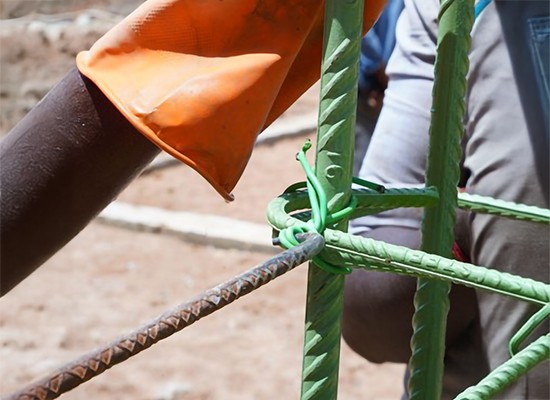
In coastal or moisture-prone areas, some builders now prefer epoxy-coated TMT bars to reduce long-term rust problems inside concrete.
25mm Bars and Above
These are mostly used in large infrastructure projects.
You will generally see them in:
- Bridges
- Flyovers
- Industrial buildings
- High-rise projects
Such structures require stronger reinforcement because the load and stress remain much higher compared to regular residential buildings.
Steel Quality Matters Along with Size
A thicker bar alone does not guarantee better construction.
The quality of steel matters equally.
Before steel goes inside the concrete, builders usually check a few things carefully. The size matters, but the behaviour of the bar matters too.
- Strength: The steel should feel solid once the structure starts carrying weight. Bars that bend too easily are usually avoided for main reinforcement work.
- Flexibility: At the site, workers bend bars around beams and corners almost every day. Good steel handles that shape work without getting small surface cracks.
- Protection Against Rust: In places with moisture or humidity, rust becomes a common concern after a few years. That is why many builders pay attention to how well the steel handles corrosion.
- Grip with Concrete: After the concrete hardens, the steel should remain locked properly inside it. When the connection between both materials is proper, the structure usually stays stronger for a longer time.
How Does the Right Steel Bar Size Get Selected?
There is no single answer that works for every project.
The correct size depends on the structure being built and the conditions around it.
Type of Building
A small independent house does not need the same reinforcement as a commercial building.
Larger structures naturally require stronger support.
Structural Load
Different sections carry different levels of pressure.
The right steel bar sizes are selected based on how much weight each section needs to handle safely.
Soil Condition
Weak soil conditions usually require stronger foundation support.
This is why soil testing is often done before finalising reinforcement details.
Weather Exposure
Buildings exposed to heavy rain, humidity, or coastal air need better corrosion protection.
In such areas, properly selected TMT bar sizes with protective coating often perform better over time.
Why Has Durability Become More Important Today?
A few years ago, many people focused mainly on reducing construction costs. Now the thinking has started changing.
People want buildings that stay stable for years without frequent repair work.
Modern reinforcement bars are designed to improve:
- Structural life
- Flexibility
- Crack resistance
- Strength retention
Homeowners are also becoming more aware of how to select the best steel bars for construction, especially when they intend to use the building for long-term family purposes.
Common Mistakes People Make While Buying Steel
Some mistakes during steel selection may not show immediate damage, but the effect becomes visible later.
Buying Only Based on Price
Lower rates may look attractive initially, but poor-quality steel often creates expensive maintenance issues later.
Same Size Throughout the Structure
Different parts of a building handle different stress levels.
Using one bar size everywhere is usually not practical.
Ignoring Rust Protection
Corrosion usually develops slowly inside concrete.
By the time cracks become visible outside, internal weakening may have already started.
Compromising on Material Quality
Strong structures depend heavily on reliable house construction materials from the beginning.
Better material choices usually reduce maintenance problems later.
Conclusion
Steel remains hidden after construction finishes, but it continues carrying the load of the structure every single day.
That is why understanding different steel bar sizes matters during construction planning. The correct size helps maintain balance, strength, and durability across the building.
Good construction is rarely about using more steel. Most of the time, it comes down to using the right steel in the right place.
FAQs
Related Article: How to Calculate the Weight of a TMT Bar in a Bundle?