


- 12 December, 2025
Walk through any city today, and you might notice something shifting. Builders aren't just talking about height, design, or glass walls anymore. These days, builders are discussing energy bills, natural light, and recycled materials, all with a focus on long-term sustainability. Green buildings aren't rare anymore; they're the trend the construction world is catching on to.
The major part of this shift lies in the materials we will choose. From cement, steel, and sand to paints, everything leaves a mark. Among these, TMT bars play a significant yet understated role. People usually look at them as a structural need, but their impact remains far beyond that. This is why TMT bars in green building certifications are now an important subject for builders and homeowners alike, who want a greener, safer future.
Understanding Green Building Certifications
Green building certifications are simple at their core: They check how responsibly a building is planned, built, and maintained. In India, three names appear more often than others: LEED, GRIHA, and IGBC.
- LEED looks at things like energy savings, indoor air quality, recycled content, and responsible sourcing.
- GRIHA, India's own system, studies a building throughout its life, from the starting point to the years after completion.
- IGBC focuses on materials, water use, energy performance, and long-term sustainability.
Each has its method, but they all appreciate durable materials. If something lasts long and reduces repair work, it helps a building to score better.
Why Steel Matters More Than People Think
Steel is not visible in the building, yet it determines the life span of the structure. If the steel rusts early, the whole building suffers. The cracks begin to appear, the repairs increase, and thus the waste grows. All this harms the environment.
High-quality steel changes that story. Bars that do not easily rust or weaken under stress keep a building stable for decades. They also cut down the number of repairs needed. This phenomenon is one big reason TMT bars in green building certifications are gaining attention. A durable TMT bar is, in itself, a step toward sustainability.
How do TMT bars contribute to LEED certification?
LEED gives credits for many of these small but meaningful choices. TMT bars help the builder earn those points in three clear ways.
1. Recyclability
Because steel can be continuously recycled without losing any of its strength, it is among the most environmentally friendly materials in construction.
2. Local Sourcing
If the TMT bars come from a nearby plant, then the emissions from transportation drop. LEED rewards the use of regional materials on account of this fact.
3. Long Life, Fewer Repairs
Because every repair means new cement, new sand, new energy, and new emissions, bars that stay strong for longer reduce this cycle. For this, epoxy-coated bars perform better, since they resist moisture and corrosion.
Because of this, many builders now focus on using TMT bars in green building certifications right from the planning stage.
How Do TMT Bars Support GRIHA Certification?
GRIHA looks at the behavior of a material from start to finish: it measures energy use, durability, and overall environmental impact.
1. Resource Efficiency
A long-lasting TMT bar results in less consumption of resources throughout its lifetime. Less waste and fewer replacements mean less impact on nature.
2. Resistance to Corrosion
Rust is among the main reasons for steel failure. When rust starts to set in, repairs become a norm. Epoxy-coated TMT bars have a reduced rate of corrosion. This improves building life and reduces material consumption.
3. Consistency in Performance
A strong and flexible bar helps the building stay safe during heat, cold, load shifts, and seasonal changes. Stability is one of the essential ideas for sustainable construction.
That is why most of the GRIHA-aligned projects go with high-quality options when selecting TMT bars in green building certifications.
How do TMT bars fit into IGBC certification?
IGBC recognizes materials that help a building stay safe, efficient, and environmentally friendly.
1. Recyclable Material Points
Steel scores well here. At the end of the building's life, the steel can be pulled out and reused.
2. Lower Carbon Emissions
A long-lasting TMT bar decreases the amount of repair work done over decades. Less repair work implies fewer raw materials and a reduction in carbon emissions.
3. Safety and strength.
IGBC also values safety: a strong structure made with reliable TMT bars protects the building from long-term damage, while epoxy-coated bars add protection, especially in coastal or humid areas.
TMT bars are preferred in IGBC projects at green building certifications because they easily align with such goals.
Why Nagarjuna Ultra Epoxy TMT Bars Support Sustainable Building?
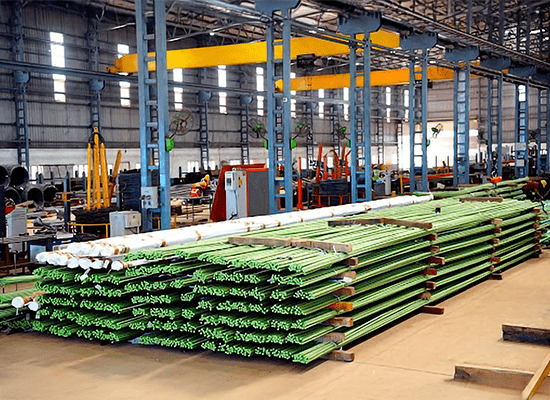
Nagarjuna Ultra Epoxy TMT Bars are unique in that they are made to last. The epoxy coating on top protects the steel from rain, moisture, and salt air. Such protection is an important aspect for regions where humidity remains very high. The coating prevents the first signs of rust, which is a point where most structural problems begin.
It also follows a controlled manufacturing process wherein raw materials are monitored all the way to melting, rolling, and cooling. This prevents waste and maintains consistent quality. Builders also use these bars because they want structures to remain strong through many seasons.
A building made with durable steel requires many fewer repairs. The lesser amount of repair work will require less cement, sand, transportation, and waste. These are also some of the objectives of LEED, GRIHA, and IGBC. For projects looking for TMT bars in green building certifications, it becomes a realistic option.
Conclusion
Green construction is no longer a trend but a responsibility. Every material used in a building has a role to play in its environmental footprint. TMT bars might remain hidden inside the walls, but their impact is visible years later.
Stronger bars mean fewer repairs, safer buildings, and less strain on the environment. That is why TMT bars in green building certifications have become one of the key discussion points. With options like Nagarjuna Ultra Epoxy TMT Bars, builders can create structures that support nature and stand strong for decades.
FAQs
Yes, their durability, recyclability, and life-cycle impact count for multiple points.
Resistant to corrosion, they last longer, reducing waste and repairs.
Yes, the strength, protection, and recyclability align with green certification.
Since each repair adds materials and emissions, stronger bars cut this cycle.
Yes, their coating, strength, and long-life support sustainable goals and help projects score higher.
Related Article: The Advantages of Using Epoxy-Coated TMT Bars in Construction Projects