


- 15 June, 2026
A few years after moving into their dream home, a family noticed thin cracks appearing near the balcony.
At first, they ignored them.
The paint was still fresh. The interiors looked perfect. Nothing seemed serious.
But when the cracks widened, and a section of concrete started chipping away, the real problem came to light. Moisture had found its way inside. The steel reinforcement had started rusting.
Stories like these are more common than most people think.
When people build a house, they naturally focus on things they can see. Flooring, wall colours, kitchen finishes, lighting, and furniture are all things that people can see. Those decisions are exciting because they shape how the home looks and feels.
What often gets overlooked is what sits behind the walls.
Steel reinforcement may never be visible after construction, but it quietly carries the responsibility of keeping a structure strong year after year. If that steel begins to corrode, the effects eventually show up on the surface.
That is one reason builders today are paying closer attention to fusion-bonded epoxy TMT bars. Designed to add an added layer of protection against corrosion, these bars help address a problem that can otherwise take years to notice and even longer to fix.
Why Does Corrosion Become a Problem Long Before People Notice It?
One of the biggest challenges with corrosion is that it rarely announces its arrival.
Unlike a leaking tap or a broken tile, rust works quietly.
A building may look perfectly fine from the outside while changes are already happening inside the concrete. Tiny amounts of moisture can slowly reach the steel reinforcement. Over time, that exposure can trigger corrosion.
The process is gradual. Months pass. Sometimes years.
Then the signs begin to appear.
A hairline crack near a window. A patch of peeling paint. A corner of concrete that doesn't look quite right.
Many people assume these are cosmetic issues. In reality, they can be early warnings of something happening deeper within the structure.
Ask experienced contractors what worries them most about older buildings, and corrosion is usually high on the list. Not because it appears overnight, but because it often goes unnoticed until repairs become more complicated and expensive.
That is why the conversation around construction materials has changed recently. Builders are not only looking for strength. They are also investigating how to protect that strength for decades.
What Makes Fusion Bonded Epoxy TMT Bars Different?
A contractor once said something interesting during a site visit: "People spend days choosing floor tiles but barely ask what steel is going inside the building."
Yet, once the concrete is poured, that steel becomes one of the few things you can never replace without major work.
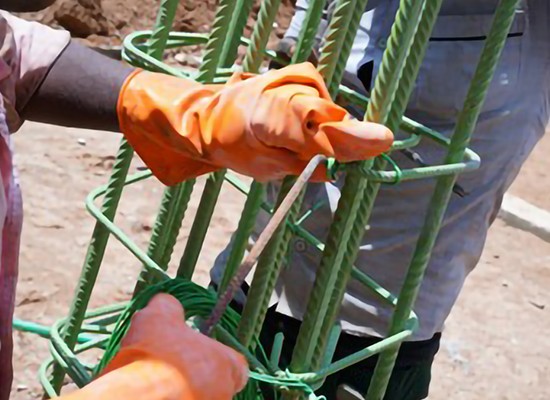
That's where fusion-bonded epoxy TMT bars draw attention. They come with an epoxy coating applied to the steel, adding a layer of protection against corrosion over time.
For someone building a home, the benefit isn't something they'll notice next week or next year. It's about knowing that the reinforcement hidden inside the columns and beams has an extra level of protection from the start. In construction, those small decisions often prove their value much later.
The Real Cost of Rust Isn't What Most Homeowners Think
When people hear the word corrosion, they often think about rusty gates, railings, or outdoor metal furniture.
Structural corrosion is different.
Its cost goes far beyond appearance.
Repairing damaged reinforcement can involve breaking concrete, exposing steel, treating affected sections, and rebuilding structural parts. The work takes time. It creates inconvenience. And it can place unexpected pressure on maintenance budgets.
Many homeowners discover these issues only after moving into a property.
The reality is simple.
Preventing a problem during construction is usually easier than solving it years later.
This is one reason demand for corrosion-resistant TMT bars continues to grow across residential and commercial projects.
People are beginning to view reinforcement as a long-term investment rather than just another line item on a construction estimate.
Why Are Builders Paying More Attention to Epoxy-Coated Reinforcement?
Construction practices evolve. What was considered acceptable twenty years ago is not always considered ideal today.
Builders now have access to better materials, manufacturing standards, and knowledge of long-term building performance.
As a result, many professionals are exploring solutions that improve durability while keeping the design unchanged.
Among those solutions, epoxy-coated TMT bars have gained attention for a simple reason: they address a known challenge.
They address a known challenge. No builder wants a structure to face premature deterioration. No homeowner wants to spend money resolving avoidable issues.
When you choose materials with longevity in mind, the building benefits from the start.
That doesn't mean every project faces the same risks. Environmental conditions vary from one location to another. However, the idea of protecting reinforcement before problems develop has become increasingly important across the industry.
Why Does Coastal Construction Demand Extra Care?
Ask a contractor who has worked on both coastal and inland projects, and they'll tell you there is a difference.
Near the coast, maintenance tends to show up sooner than expected. A freshly painted gate doesn't stay fresh for long. Metal fittings often need attention earlier. The weather has a stronger impact.
The same concern applies to the steel used inside a building. While it remains out of sight, it still faces the surrounding environment year after year.
That is why material selection is an important discussion during coastal construction. Builders are not only thinking about the day they hand over the project. They are thinking about how the structure will hold up for ten or twenty years.
More Than Homes: Where These Bars Are Commonly Used
Talk to a contractor who's been in construction for twenty years, and you'll hear the same thing: nobody wants callbacks after a project is handed over.
Whether it's a house, an apartment block, a factory, or a commercial building, the expectation is simple. The structure should hold up well over time.
That's one reason fusion-bonded epoxy TMT bars are used across different types of projects. Not because they're visible when the work is finished, but because they continue doing their job long after everyone has left the site.
In construction, some decisions show their effects. Others show their value years later.
Choosing the Right Reinforcement Is Easier Than Fixing the Wrong One
Construction involves thousands of decisions.
- Some affect appearance.
- Others affect comfort.
- A few influence the life of the building itself.
- Steel reinforcement falls into that final category.
Once concrete is poured, changing the reinforcement is no longer an option. The decision stays with the structure for as long as it stands.
That is why experienced builders often encourage homeowners to ask more questions before selecting materials.
- How consistent is the manufacturing process?
- Does the product meet recognised quality standards?
- Is the brand known for reliability?
- Will the reinforcement be suitable for local environmental conditions?
Questions like these help buyers look beyond price alone.
Because while construction budgets matter, so does the reassurance that comes from knowing the work has been done right.
The best construction decisions are often invisible.
Years from now, nobody will walk into a house and compliment the reinforcement hidden inside the columns.
They'll notice the design, interiors, and the memories created there.
Yet the strength behind those moments depends on the choices made during construction.
Good reinforcement doesn't demand attention. It simply does its job, year after year.
That is the role fusion-bonded epoxy TMT bars are designed to play.
It is not meant to be the most visible part of a building.
But they are designed to help protect one of the most important parts of a building.
Conclusion
Talk to people who have lived in the same house for twenty or thirty years, and many will tell you the same thing. The real test of a building begins after the construction team leaves. By then, changing what is inside the concrete is no longer possible.
That is why materials chosen at the construction stage matter so much. Corrosion may take years to show its effects, but preventing it starts on day one. A little extra attention during planning can make a meaningful difference long after the project is complete.
FAQs
Related Article: The Rising Demand for Epoxy-Coated TMT Bars in India