


- 21 January, 2026
Earthquakes don’t come with warnings.
They don’t ask if your house is ready.
Most people believe earthquakes destroy buildings because they are strong. That is only half true. In reality, buildings fail because something inside them opens up early. And most of the time, that “something” is the steel hidden in concrete.
Paint can crack. Tiles can break. That’s repairable.
But when the reinforcement fails, the structure loses its backbone.
That’s why choosing the best earthquake-resistant TMT bars in India is not just a technical decision. It’s a personal one. Especially if you are building a home for your family.
Why Does Steel Decide How a Building Reacts During an Earthquake?
Concrete does not like movement.
Earthquakes are all about movement.
When the ground shakes sideways, a building needs internal support that can move without snapping. This is where TMT bars play their real role. Instead of resisting the quake, TMT bars adapt to it.
Good steel bends.
Bad steel breaks.
Many collapses during earthquakes happen not because the structure was weak, but because the steel inside lacked flexibility. That is the difference between normal reinforcement and earthquake-resistant TMT bars.
What Actually Makes a TMT Bar Earthquake-Resistant?
There is no single feature. It is a combination.
Ductility Comes First
Ductility means the bar can stretch and bend before breaking.
During an earthquake, this flexibility helps the structure absorb shock instead of collapsing suddenly. A ductile bar gives time. And during disasters, time saves lives.
Chemical Balance Matters
Lower carbon content improves bending ability.
Micro-alloys improve strength without making the steel brittle.
When this balance is missing, the bar may look strong but fail under stress.
Inside Strength, Outside Control
Modern TMT bars are made so that the outer surface is strong, while the inner core stays softer.
This structure helps resist cracks while allowing movement. It’s a design meant for uncertainty.
This is why engineers insist on checking elongation values and bend tests when selecting the best TMT bars for seismic zones.
Why Does Corrosion Become a Silent Risk During Earthquakes?
Here’s something many people miss.
A corroded building is already weak before an earthquake hits.
Rust eats into steel slowly. You don’t see it. You don’t feel it. But it reduces strength and flexibility every year. When shaking begins, rusted bars fail faster.
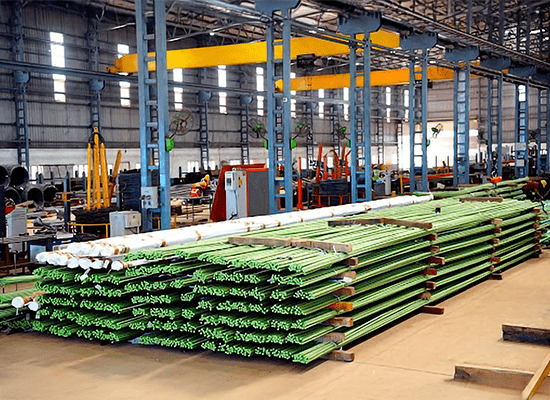
That’s why epoxy-coated TMT bars in India are becoming more relevant. The epoxy layer blocks moisture and air from reaching the steel. This keeps the reinforcement stable for decades.
In earthquake-prone areas with humidity, rainfall, or coastal air, corrosion protection is not optional. It’s essential.
Earthquake Zones in India
India is divided into seismic zones, from II to V.
Zone V is the most sensitive. Zone II is considered lower risk.
But here is the reality. Tremors do not respect maps.
Many Zone II and III areas have seen repeated shaking. Structures built with poor steel start showing cracks even after mild quakes.
So instead of asking, “Is my area risky?”
The better question is, “Is my structure ready?”
That’s where choosing the best earthquake-resistant TMT bars in India makes sense, no matter the zone.
What Do Engineers Really Check Before Approving TMT Bars?
At construction sites, engineers aren’t impressed by branding.
They look at data.
They check:
- elongation percentage
- consistency in bar diameter
- bend and re-bend performance
- surface quality
- corrosion resistance
- manufacturing reliability
If steel passes these checks, it earns trust. Otherwise, it gets rejected.
This is why quality-focused builders pay attention to process, not promises.
Why Are Builders Choosing Nagarjuna Ultra Epoxy TMT?
Builders who work in demanding conditions need steel that remains reliable for years, not just on day one. Nagarjuna Ultra Epoxy TMT is trusted because the epoxy coating protects the core steel from corrosion while maintaining ductility. The bars are designed to handle stress, moisture, and time without losing performance.
When structures must remain safe through both ageing and unexpected movement, builders prefer reinforcement that doesn’t weaken quietly. That long-term confidence is why Nagarjuna Ultra Epoxy TMT finds acceptance among engineers who value safety over shortcuts.
Common Mistakes People Make While Buying TMT Bars
Many homeowners repeat the same mistakes.
They compare prices, not properties.
They assume all bars behave the same.
They ignore corrosion risks because they aren’t visible.
Steel quality is not something you can correct later. Once it is inside the concrete, it decides your building’s future.
Final Thoughts
Earthquakes don’t test buildings.
They test decisions made years earlier.
Choosing the right steel is one of those decisions.
The bars may stay hidden forever, but their performance decides everything when the ground moves.
That’s why selecting from the best earthquake-resistant TMT bars in India is not about trends. It’s about responsibility.
FAQs
Related Article: Top Benefits of Buying TMT Bars Directly from Manufacturers in Nellore!